

What Is Vacuum Forming and Why Is It Ideal for Custom Plastic Parts?

Alex brings 19 years of specialized experience in heavy-gauge thermoforming. As a core technical expert, he has guided numerous international clients through complex development cycles—from DFM analysis and material selection (PC, ABS, PMMA, etc.) to 5-axis CNC execution. His dedication to engineering precision and hands-on support has successfully brought countless global custom projects from CAD drawings to flawless market execution.
In the fast-paced world of modern manufacturing, finding a cost-effective and efficient way to produce custom plastic components is crucial for businesses. Have you ever wondered how those smooth, durable plastic shells, trays, and automotive parts are made? The answer often lies in a versatile manufacturing technique known as vacuum forming.
1. Understanding the Vacuum Forming Process
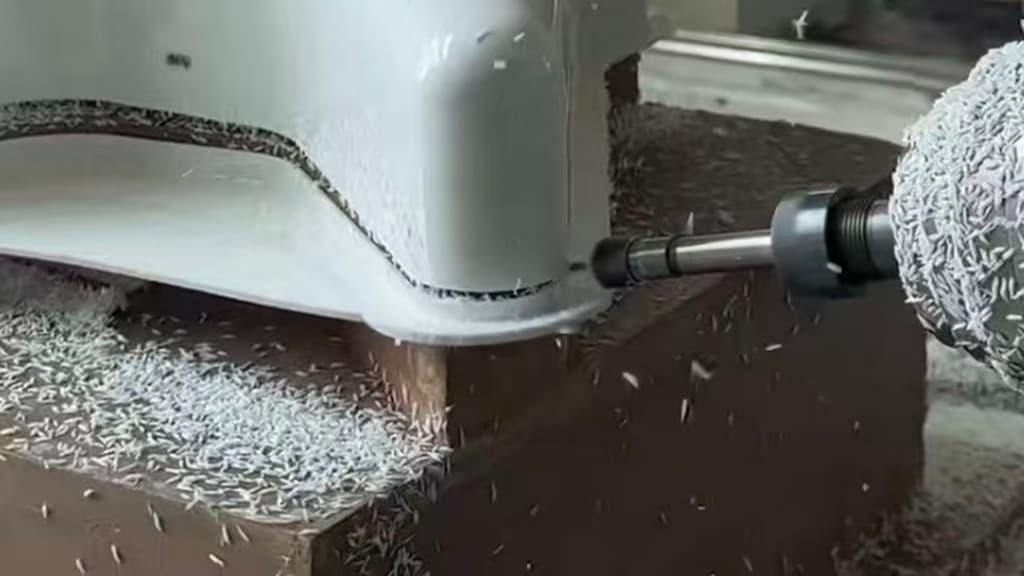
So, what is vacuum forming exactly? At its core, vacuum forming is a simplified version of thermoforming. A plastic sheet is heated until it becomes pliable, then stretched over a mold. A vacuum is applied to suck the sheet closely against the mold, capturing every detail. Once cooled and solidified, the excess plastic is trimmed away to reveal the final custom plastic parts. This method is particularly favored for its ability to create large yet lightweight structures with impressive precision.
2. Why Vacuum Forming is Ideal for Custom Plastic Parts
When comparing different production methods, vacuum forming vs injection molding often comes up. While injection molding is great for mass-producing small, highly complex items, vacuum forming shines when you need large custom plastic parts without breaking the bank. Because the tooling and mold costs are significantly lower, it is the go-to solution for low-to-medium volume production runs, rapid prototyping, and oversized components.
3. Key Advantages and Applications Across Industries
Why do engineers and designers continuously rely on this technique? Beyond cost efficiency, vacuum forming offers incredible design flexibility, fast turnaround times, and the ability to use a wide range of thermoplastics. From medical equipment housings and refrigerator liners to protective packaging and automotive dash components, the applications are virtually endless.
Conclusion
Ultimately, if your next project requires durable, tailored enclosures or components, vacuum forming is a smart and economical choice. By partnering with an experienced manufacturer, you can turn your innovative designs into high-quality custom plastic products quickly and efficiently.