leave a message
If you are interested in our products and want to know more details,please leave a message here,we will reply you as soon as we can.
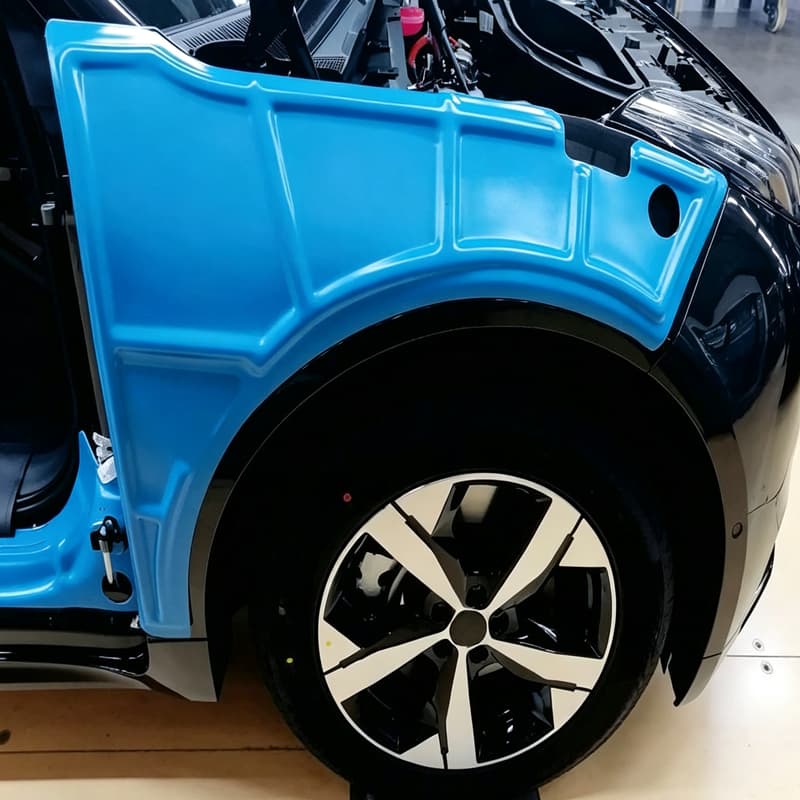
Custom thermoplastic car components are vacuum-formed parts built to your CAD, with the openings, ribs, and mounting features the vehicle actually needs. We use heavy-gauge thermoforming and five-axis CNC trimming to produce exterior panels, hatches, underbody shields, interior trim modules, and conversion parts for passenger cars, commercial vehicles, and aftermarket programs. The process suits low-to-medium volumes where an injection mold is difficult to justify.
Forming Technology :
Heavy-Gauge Thermoforming / Vacuum Forming & 5-Axis CNC TrimmingCompatible Materials :
Impact-Resistant ABS, ABS/PC, Weather-Resistant ASA/TPO, Flame-Retardant (FR) PlasticsDesign Style :
Aerodynamic Contours, Ergonomic Profiles, Custom Modular IntegrationSurface Treatments :
Matte, Anti-Scratch Texture, UV-Resistant Spray Painting, Custom Corporate Branding & LogosSheet Thickness :
3mm – 10mm (Optimized for structural support, load-bearing, and impact resistance)Customization :
OEM/ODM based on 3D CAD files (STEP, IGES, STL) with rapid prototyping support
This page is for part-level programs. Each component is designed around fit, local stiffness, and assembly, rather than as one large cabin or RV side panel. Heavy-gauge sheet is formed to the styled surface. Five-axis trimming then adds lamp openings, grille areas, fastener holes, wire pass-throughs, and edge profiles so the part can go to the line with less secondary work.
Custom thermoplastic car components cover both exterior and interior use. Exterior parts focus on appearance, impact, and weather. Interior parts can use flame-retardant grades when the specification calls for FMVSS 302-type performance. Material is selected per part. It is not assumed from the vehicle name.
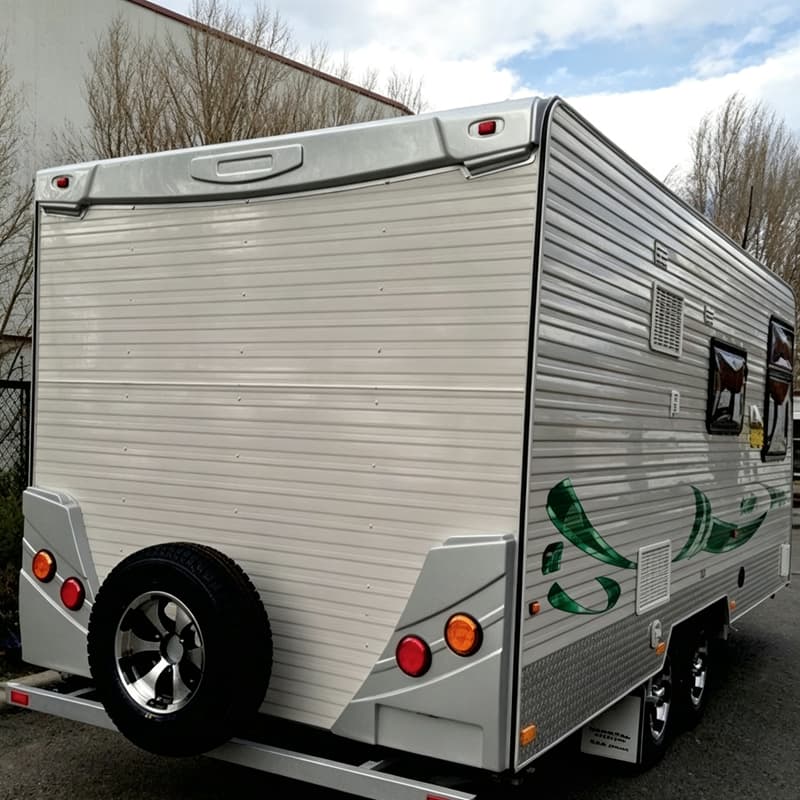
Large-Format RV Exterior Body Panels
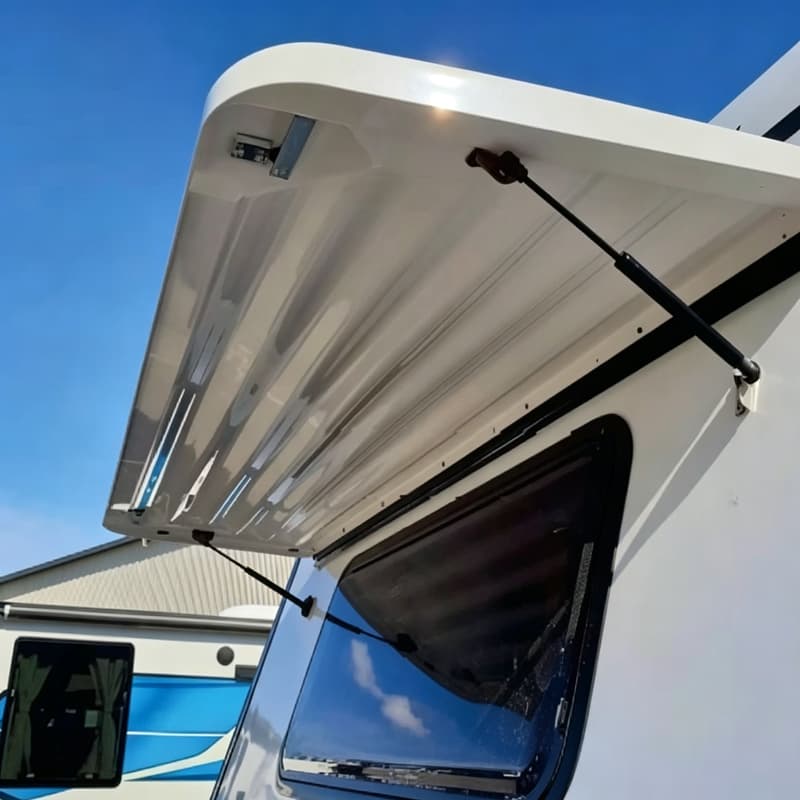
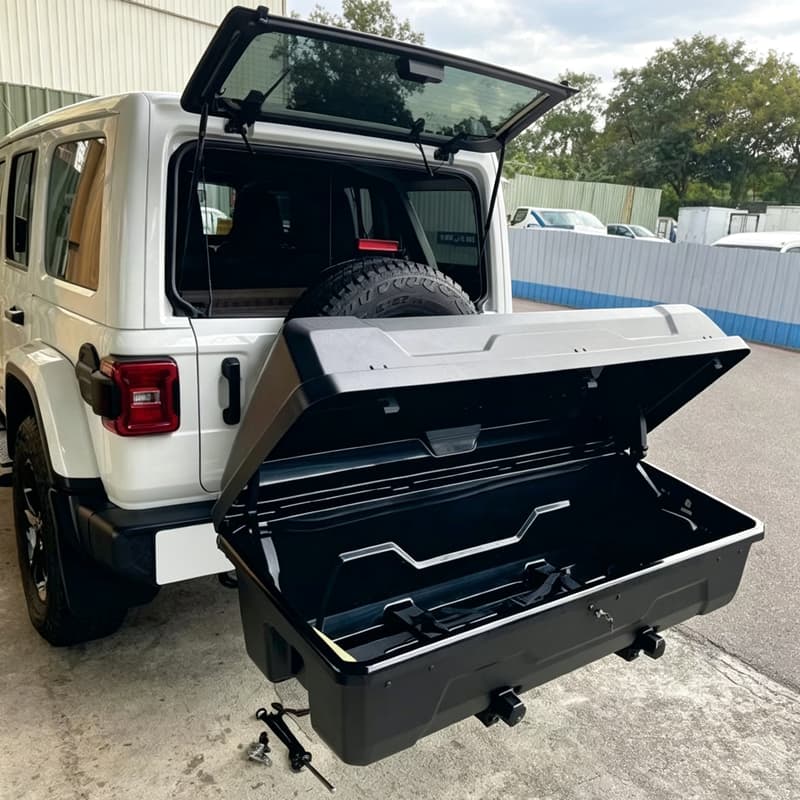
Thermoformed Structural Hatch & Ribs
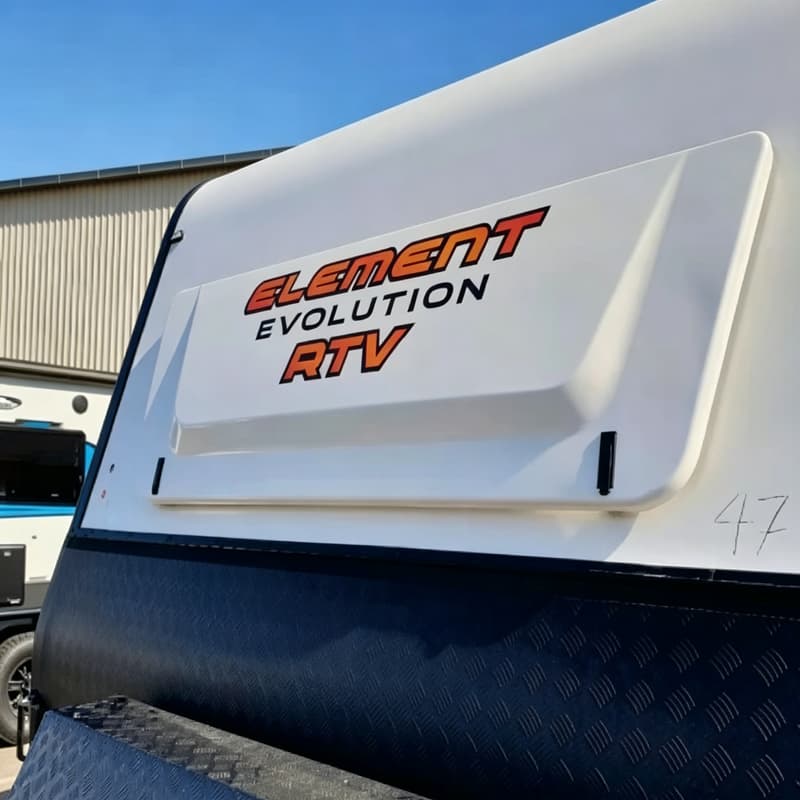
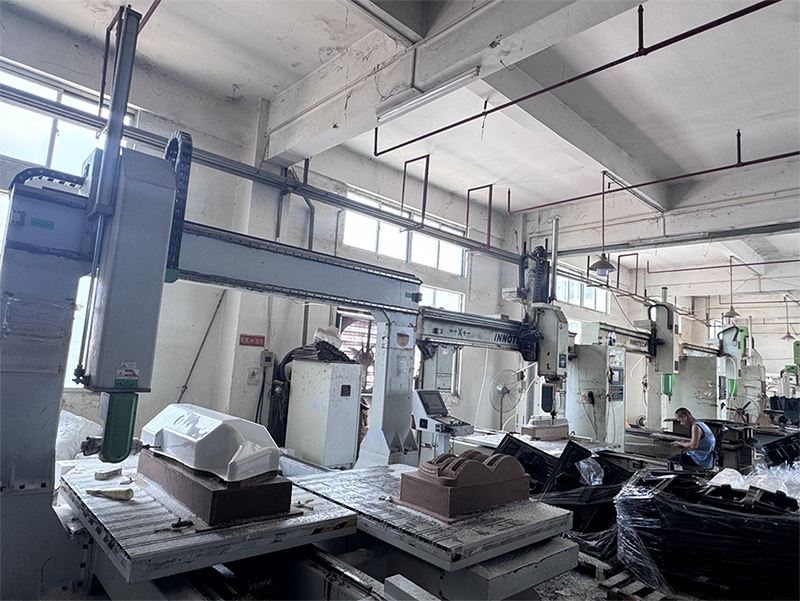
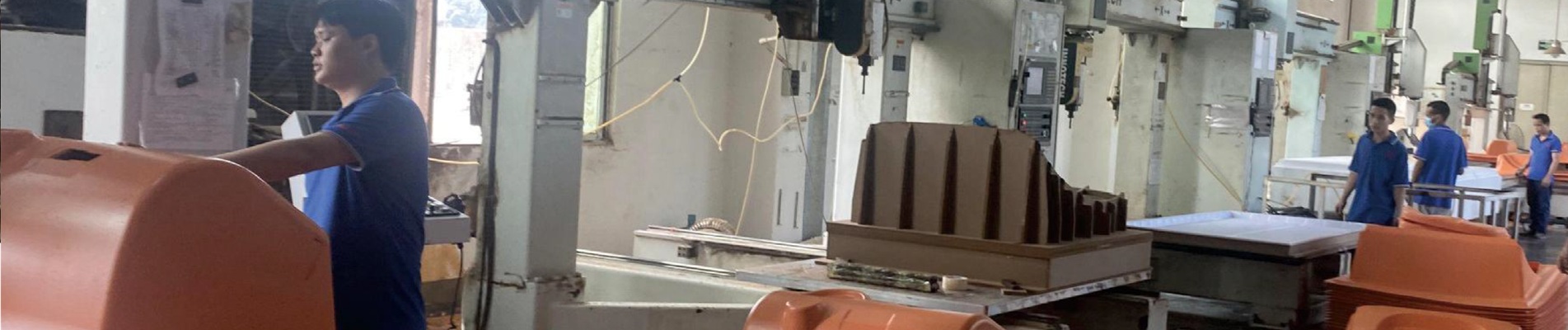
Precision 5-Axis CNC Automotive Trimming
Our heavy-duty thermoformed plastic components are expertly engineered for a wide range of Vacuum-Formed Car Parts, including:
| ✔️ Exterior body-kit panels, aero pieces, and trim for passenger and commercial vehicles | ✔️ Hatches, tonneau-style covers, and roof modules with hinge or strut mounting zones |
| ✔️ Underbody protection and wheel-area shields | ✔️ Interior trim modules that need formed shape plus machined openings |
| ✔️ Aftermarket conversion parts and specialty-vehicle components ✔️ Low-volume facelift parts when a new injection mold is not practical | |
ABS and ASA for appearance parts and painted or colored exterior surfaces.
TPO for flexible, impact-resistant exterior components.
PC/ABS and other engineering grades when heat or toughness requirements are high
Flame-retardant grades for interior components that must be assessed against FMVSS 302 or a customer flammability specification.
We do not assign a material until the part location, temperature, UV exposure, and any flammability requirement are known. Heavy-gauge thickness is set during engineering, not copied from an unrelated exterior shell.
Application review. Interior or exterior, load cases, appearance, and annual volume.
DFM. Draft, ribs, shut-offs, thickness, and trim access are adjusted on the CAD.
Thermoforming tool. Built for the component geometry and the quantity you expect to run.
Heavy-gauge vacuum forming.The sheet is formed to the styled and structural shape.
Five-axis CNC trimming. Perimeter, holes, slots, and angled openings are cut to the datum scheme.
Finish and inspection. Texture, color, and critical dimensions are checked before shipment.
OEM and ODM programs are supported. Accepted file formats include STEP, IGES, and STL.
Custom vacuum-formed car parts avoid a large steel mold when the program is a pilot, a facelift, a commercial-vehicle option, or an aftermarket run. Thermoforming still supports styled surfaces and repeatable trim. It is weaker than injection molding for very small, highly detailed clips or high annual volumes, and we will say so during quoting. For medium-sized panels that need shape, local ribs, and accurate openings, heavy-gauge thermoforming is often the practical process.
* Exterior, interior, or underbody location
* Target color, texture, and gloss
* Logo or part identification
* Holes, slots, and mounting pads that must be trimmed
* Flame-retardant or outdoor-grade material requirements
* Prototype quantity and production volume
Q:What are custom thermoplastic car components?
A: They are vehicle parts formed from heavy-gauge thermoplastic sheet and CNC-trimmed to your design, including body panels, hatches, shields, and interior trim modules.
Q: Can the same part include mounting holes and wire openings?
A: Yes. Five-axis trimming can cut perimeter edges, fastener holes, lamp openings, and wire pass-throughs in one machining setup, within the limits of wall thickness and tool access.
Q: Do you support interior flammability requirements?
A: Flame-retardant materials can be specified for interior parts. Tell us if the part must meet FMVSS 302 or your own OEM specification so the grade can be chosen before tooling.
Q: When is vacuum forming a better buy than injection molding?
A: Usually for low-to-medium volumes, larger styled panels, and programs that may still change. Injection molding is usually better for very high volume or for small parts with complex molded-in clips.
Q: Can you develop the part as an ODM project?
A:Yes. We can work from a concept and package space or from a finished CAD model, then carry the component into repeat production.
Call to Action
Ready to bring your innovative aesthetic machine designs to life?
Get a Free DFM Review & Quote Today!
Send the CAD model, part location (interior, exterior, or underbody), annual volume, and any flammability or color requirement. We will reply with a process recommendation for custom thermoplastic car components and a trimming plan before the tool is released.
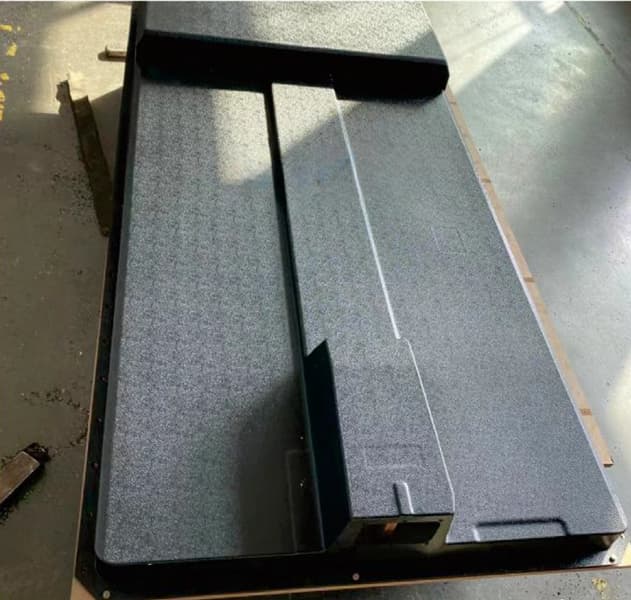
Thermoformed battery enclosures for energy storage and industrial packs. Heavy-gauge vacuum-formed trays, covers, and liners with thermal routing and service access.
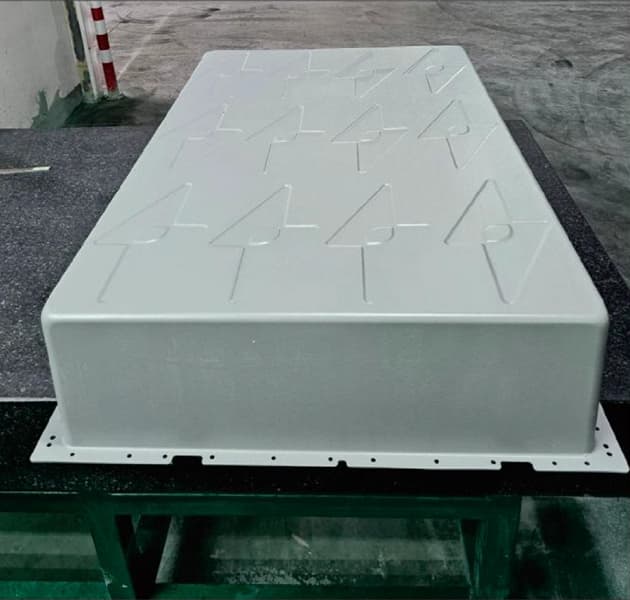
Working on an advanced EV project and need OEM battery tray solutions? Or looking for engineering expertise to optimize your electric car battery box design for superior safety and lightweight efficiency? You don’t need to handle the whole development process by yourself. Beyond standard manufacturing, we function as an extension of your R&D and engineering team. We deliver joint co-design, structural optimization and fully custom EV battery enclosures. From rough hand sketches and reference CAD files to strict IP specifications, our experienced industrial designers and tooling engineers partner with you to turn concepts into market-ready heavy-gauge thermoformed and composite battery pack housings.
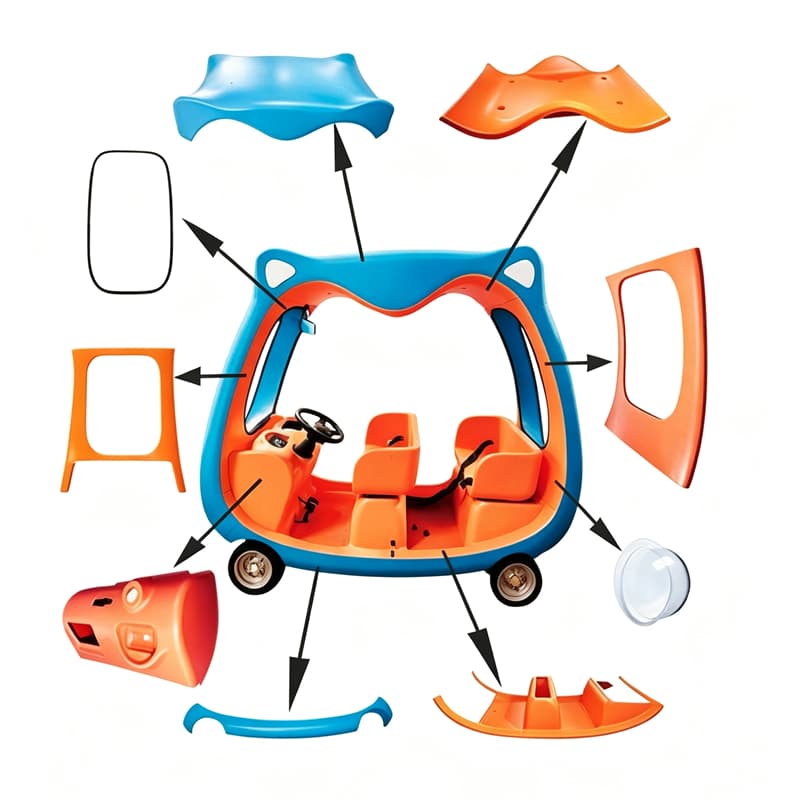
Looking for durable, weather-resistant protection for your electric and utility vehicles? Our custom golf cart plastic vacuum forming and heavy-gauge thermoforming parts are engineered using advanced heavy-gauge thermoforming technology. Designed to withstand harsh outdoor and rugged operating environments, these high-precision enclosures and canopies protect critical interior components while reducing total vehicle weight and enhancing the overall aesthetic appeal of your golf carts, UTVs, and LSVs.

Custom thermoplastic car components are vacuum-formed parts built to your CAD, with the openings, ribs, and mounting features the vehicle actually needs. We use heavy-gauge thermoforming and five-axis CNC trimming to produce exterior panels, hatches, underbody shields, interior trim modules, and conversion parts for passenger cars, commercial vehicles, and aftermarket programs. The process suits low-to-medium volumes where an injection mold is difficult to justify.
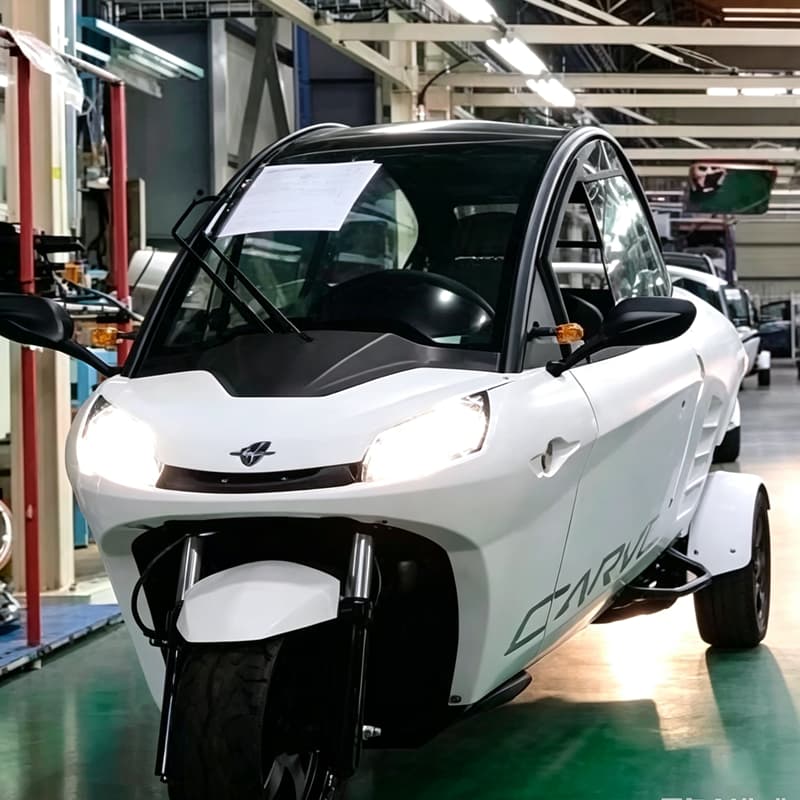
Heavy-gauge vacuum forming for automotive exterior body panels, dashboards, and underbody guards. Cost-effective tooling for specialty vehicles, utility fleets, and Tier-1 suppliers.
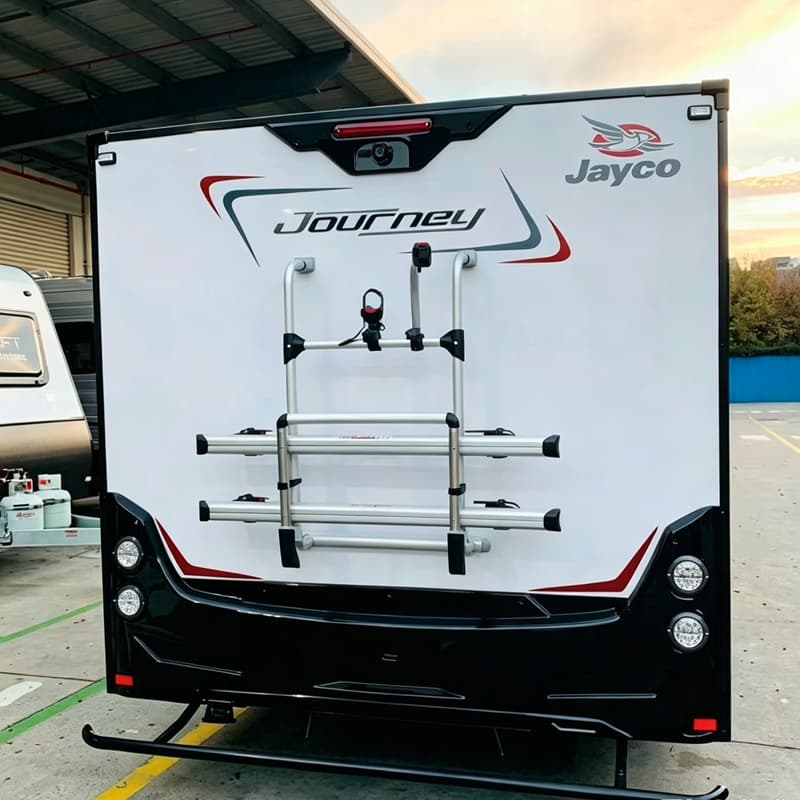
Large-format heavy-gauge thermoforming process capability. 5000×2500mm forming bed, 3–12mm sheet, 5-axis CNC trimming. Wide panels, equipment shells, EV enclosures. Free DFM review.
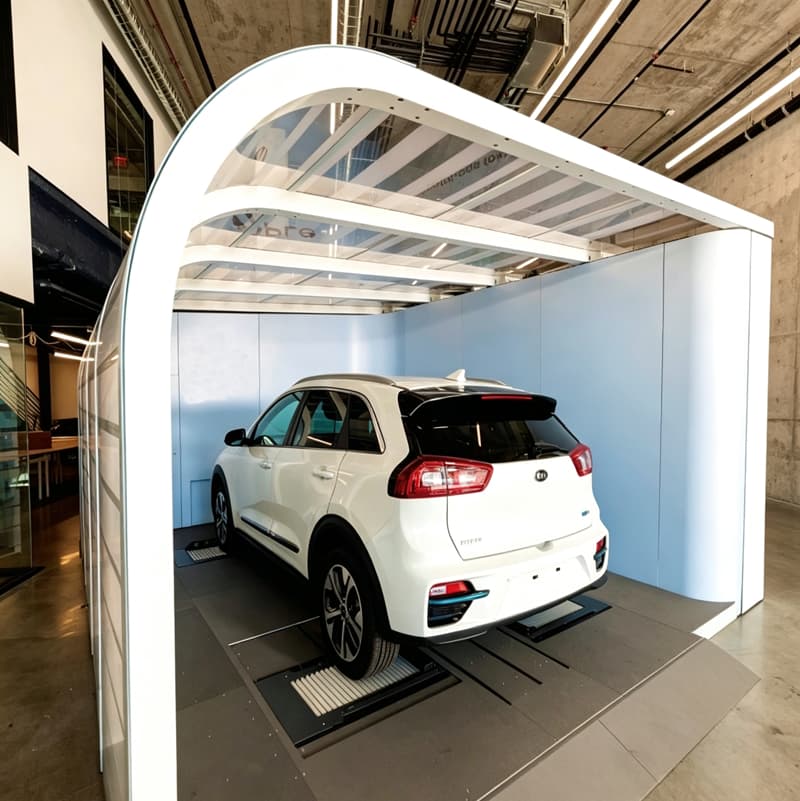
OEM heavy-gauge thermoformed EV charging station enclosures, pedestals, and outdoor protective canopies. Weather-resistant ASA/PC-ABS, UL 94 V-0 flame retardancy, precision CNC port cutouts.
OEM heavy-gauge thermoformed body panels for RVs, low-speed vehicles, UTVs, and golf carts. One-piece roofs, cowlings, side panels & cabin shells. UV-stable ABS/ASA. Free DFM review.
Scan to Wechat :

Scan to WhatsApp :